
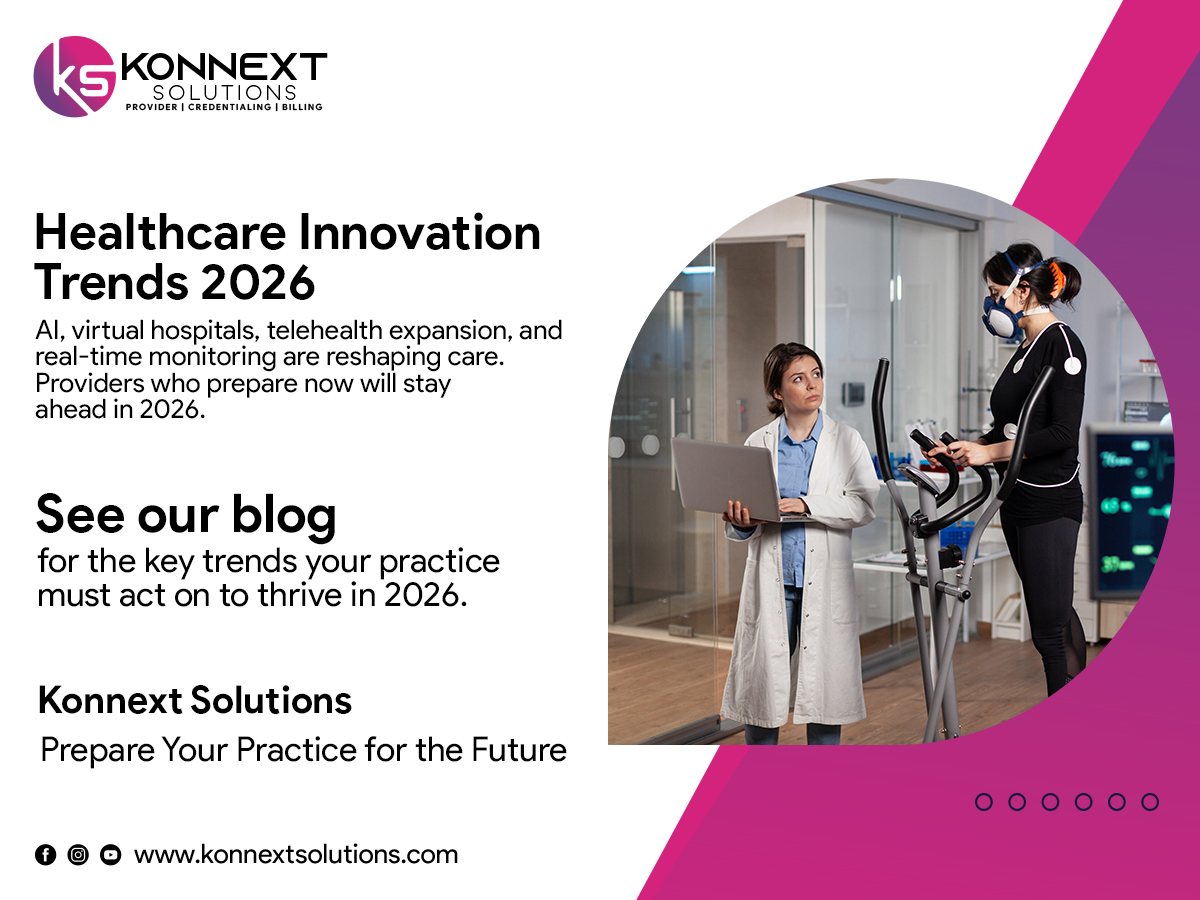
As we approach 2026, healthcare is on the cusp of major transformation. From regulatory shifts to technological breakthroughs, medical practices and organizations need to prepare for significant changes that could reshape care delivery.
AI Becomes More Autonomous and Actionable
Generative AI is evolving beyond chatbots. By 2026, AI agents are expected to serve as autonomous copilots, assisting with triaging patients, scheduling tests, and following up on treatment plans. These tools reduce administrative burdens, allowing providers to focus on complex clinical tasks.
Virtual Hospitals Are Going Mainstream
Telemedicine is evolving into virtual hospitals, offering comprehensive services such as diagnostics, monitoring, and certain treatments from the patient’s home. This model is especially impactful for rural or underserved areas, making quality care more accessible without physical visits.
Expanded Telehealth Payments Under New Medicare Rules
The 2026 CMS Physician Fee Schedule expands reimbursement for telehealth services:
- Rural Health Centers (RHCs) and Federally Qualified Health Centers (FQHCs) can bill for telehealth, including audio-only visits.
- Digital mental health treatment devices, such as those for ADHD, are included in new payment pathways.
These updates make remote care more financially viable and improve access for patients.
Interoperability Takes a Big Step Forward
CMS’s Health Tech Ecosystem Initiative requires participating networks to support FHIR APIs, real-time clinical document sharing, and secure patient data access. This enables patients to use third-party apps to view their complete medical data, while providers can share information more seamlessly.
Cybersecurity Is Now a Core Health Priority
With increasing digital data use, cybersecurity is central to healthcare operations. By 2026, best practices include zero-trust models, multi-factor authentication, and secure Internet of Medical Things (IoMT) devices. Strong security protects patients, reduces regulatory risk, and supports safe technology adoption.
Real-Time Monitoring Through 5G-Enabled Devices
Combining 5G connectivity with AI-powered monitoring allows real-time vital sign tracking, enabling earlier detection of clinical issues. Continuous remote monitoring helps providers intervene faster, especially for patients with chronic or acute conditions.
Digital Therapeutics Gain Momentum
Digital therapeutics (DTx) are software-based treatments recognized for reimbursement under the proposed 2026 Medicare rules. These tools integrate with care delivery models, offering scalable, evidence-based interventions for conditions such as mental health disorders, chronic diseases, and rehabilitation.
Why This Matters for Healthcare Providers
- Strategic Investment: Decide where to invest, remote care platforms, AI tools, or patient monitoring systems.
- Regulatory Readiness: Compliance with CMS interoperability and payment changes is critical to avoid missed opportunities.
- Risk Management: Cybersecurity is now a clinical and operational priority.
- Patient Experience: As care becomes more digital, patient expectations for seamless access and real-time engagement will rise.
Conclusion
2026 is shaping up to be a pivotal year in healthcare, with technology, policy, and patient expectations driving change. Providers who anticipate these trends will be well-positioned to deliver high-quality, accessible, and efficient care in a rapidly evolving landscape.